How to Start an Email List for Your Microbakery
Social media decides who sees your posts. An email list doesn't, which is why it's the most reliable way to fill a bake day.
If you sell bread, cookies, or cakes out of your own kitchen, you've probably felt the frustration of posting a beautiful photo of this weekend's loaves and watching it reach eleven people. Social platforms rent you an audience. An email list is an audience you actually own, and for a small home baking operation, that difference shows up directly in how fast your preorders fill. This guide walks through setting one up from scratch, from choosing a platform to writing a newsletter people genuinely look forward to opening.
You don't need a big list for this to work. A hundred local subscribers who already like your sourdough will outperform a thousand scattered social followers, because email lands in an inbox rather than competing with an algorithm. Plan on an afternoon to get the basics running, then a recurring hour or so per send.
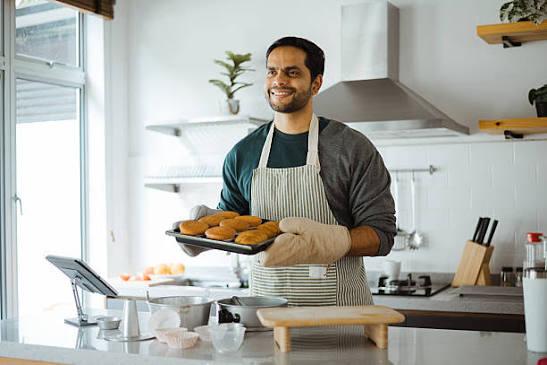
Why Email Beats Social for a Home Bakery
A newsletter does three things a feed can't. It reaches close to everyone who signed up, it arrives on your schedule (which means you can time it to when orders open), and it survives platform changes. If an app you depend on throttles reach or disappears, your subscriber list comes with you.
There's also more demand out there than most new bakers assume. Roughly 65% of households say they'd rather get their bread and treats from a home baker than off a grocery store shelf. The hard part usually isn't convincing people, it's staying in front of them until the week they're ready to order. That's exactly what a list is for.
- Email open rates for small local businesses regularly run several times higher than social reach on the same audience
- Subscribers chose to hear from you, so they're already warm
- You can segment later (pickup customers vs. market regulars vs. wholesale leads)
- A list is portable, and it's genuinely yours
Pick a Platform (and Don't Overthink It)
Nearly every email platform has a free tier that comfortably covers a cottage bakery's first several hundred subscribers. The main thing you're looking for is a simple signup form, a decent mobile-friendly template, and the ability to schedule a send. Fancy automation can wait.
- **Mailchimp**: the default for a reason, generous free tier, lots of tutorials
- **MailerLite**: cleaner interface, very friendly free plan, good landing pages
- **Buttondown or Substack**: minimal and text-forward if you'd rather write than design
- **Your existing storefront tools**: if your ordering platform already collects customer emails and sends updates, start there before adding another login
One practical note: whatever you choose, use a real sending address at your bakery's name if you have one, rather than your personal account. It looks more legitimate and it keeps your business mail out of your family inbox.
What to Collect at Signup
Resist the urge to ask for everything. Every extra field drops your signup rate. For most micro bakeries, two or three pieces of information are plenty.
- Email address (required, obviously)
- First name, so you can greet people by name
- ZIP code or neighborhood, if you deliver or do multiple pickup spots and want to send relevant locations only
- Optional: a single checkbox for what they're most interested in, like bread, pastry, or custom cakes
Make the promise on the form specific. "Join the list" is vague. "Get Thursday's menu and the order link before it goes public" tells someone exactly what they're getting and why it's worth their address.
Getting Your First Subscribers
The fastest growth almost always comes from people who have already tasted your work. Start there before you worry about strangers.
- 1Add a signup link to your Instagram bio, your storefront page, and your email signature. This takes ten minutes and runs forever.
- 2Put a printed card or small sign at every pickup and market table with a QR code pointing to the form. Offer a reason: early access to holiday preorders works better than "subscribe."
- 3Slip a card into packaging. Someone eating your cinnamon roll right now is the single best moment to ask.
- 4Personally invite your existing customers once. A short message saying you're moving order announcements to email and you'd hate for them to miss out converts well.
- 5Ask at checkout, out loud. "Want me to add you to the list so you see the menu first?" is the highest-converting signup method there is.
- 6Partner locally. A coffee shop, farm stand, or yoga studio that cross-promotes you can introduce you to a neighborhood all at once.
A note on consent: only add people who actively opted in. Importing everyone who's ever texted you about a cake is a fast route to spam complaints, and in many places it's against the law. The one exception worth asking about explicitly is past customers, and even then, a quick "mind if I add you?" is better form.
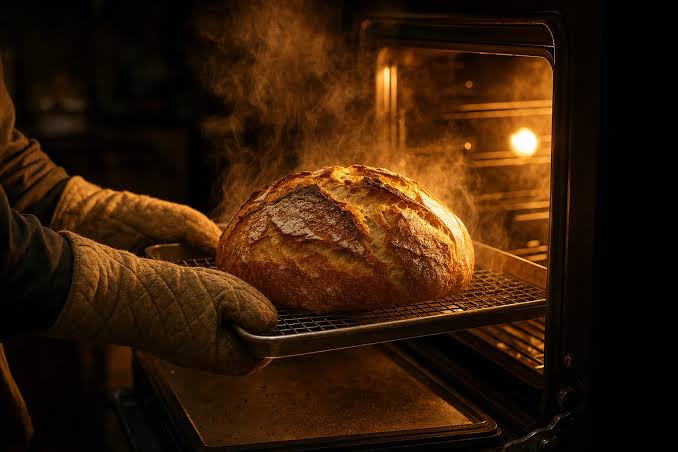
What to Actually Send
This is where most home bakery newsletters stall out. The fear is that you have nothing to say beyond "orders are open," so you send nothing at all. In practice, your subscribers signed up because they like what you make, and the behind-the-scenes stuff is more interesting to them than you'd guess.
- **The menu drop**: this week's bakes, the order link, and the cutoff time. Your workhorse email.
- **A baking note**: why the crumb looked different this week, what you changed about the hydration, how the rye came out. People love process.
- **Seasonal and holiday preorders**: Thanksgiving pies and Christmas cookie boxes deserve their own send, two to three weeks ahead.
- **A single recipe or tip**: something small they can make at home. It builds goodwill and gets forwarded.
- **Customer features**: a photo of someone's birthday cake (with permission) or a note about a regular's standing order.
- **Sold-out and waitlist notes**: scarcity is real in a one-oven operation, and saying so honestly makes next week's send more urgent.
Finding a Rhythm You Can Keep
Consistency matters more than frequency. A reliable twice-a-month email beats a weekly one that fizzles out in March. Pick a cadence that matches your bake schedule and protect it.
- 1Decide your send day and stick to it, ideally the same day each week or every other week. Tuesday through Thursday mornings tend to perform well.
- 2Build one reusable template with your header, a photo slot, a menu section, and the order button. Reuse it every time.
- 3Write the email right after you plan your bake list, while the details are fresh.
- 4Schedule it rather than sending live, so a busy bake day never eats your send.
- 5Keep a running notes file of small moments and photos during the week so you're never staring at a blank draft.
Writing Emails People Open
Short beats polished. Your subscribers are reading on a phone, probably between other things, and they're deciding in about two seconds whether to tap the order link.
- Write one subject line that says the actual news: "Hot cross buns are back (orders close Friday)" outperforms "February Newsletter"
- Lead with the thing they need to do, then add the story underneath, not the other way around
- One clear link or button, repeated once at the bottom. Competing links split attention.
- Use a real photo of a real bake. Stock images read as a stranger's email.
- Keep it under 300 words most weeks
- Sign off like a person, because you are one
Keeping Orders and Replies From Scattering
Here's the mess that shows up around month three. The newsletter goes out, and then replies land in your email, a few people DM you instead, two text your personal phone, and somebody comments on last week's post asking if the rye is still available. Suddenly you're reconstructing your order list from four apps at 10pm.
Worth knowing that this is a solved problem now. Platforms built for home bakers, like Homebaked, pull every customer message (DMs, texts, and emails) into a single thread per customer, so a newsletter reply and a text about the same order sit in the same place. It's a small structural thing that makes growing a list feel like an asset instead of another inbox to monitor.
Measuring Without Getting Obsessive
Check three numbers after each send and ignore the rest for now.
- **Open rate**: anything from 30% up is healthy for a small local list. If it drops, look at your subject lines.
- **Click rate**: how many people tapped the order link. This is the one that correlates with actual sales.
- **Unsubscribes**: a few per send is completely normal and even healthy. A spike means you sent too often or too far off-topic.
Track one more thing on paper: how many of this week's orders came from the email versus everywhere else. After a couple of months you'll know exactly what a subscriber is worth to you, which makes it much easier to justify the ten minutes at market asking people to sign up.
Common Mistakes to Avoid
- Waiting until the list is "big enough" to send. Send to twelve people. That's how it starts.
- Sending only when you want something. Mix in a few emails that just give.
- Burying the order link at the bottom of a long story
- Forgetting to check how it looks on a phone before scheduling
- Letting three months go by, then sending as though nothing happened. A short "it's been a while, here's what I've been baking" fixes it.
- Running promos through email with no way to track redemption. If your ordering setup has built-in promo and loyalty tools, tie your subscriber-only offers to those so you can see what the list is actually driving.
A Realistic First Month
If you want a concrete plan, this is a reasonable one for a brand new cottage bakery list.
- 1Week one: choose a platform, build the signup form, write the one-sentence promise, and add the link to your bio and signature.
- 2Week two: print QR cards for packaging and your market table, and personally invite your existing customers.
- 3Week three: send your first email. Keep it to a hello, what you bake, when orders open, and one good photo.
- 4Week four: send your first real menu drop with an order link, then check your open and click rates.
That's it. Four weeks in you'll have a small list that's genuinely yours, a repeatable template, and a direct line to the people most likely to buy from you. Everything after that is just showing up on schedule with something good coming out of the oven.