How to Message Your Microbakery Customers
Clear, friendly communication is what turns a one-time order into a regular, and it takes less time than you think.
Most people who start selling bakes from home assume the hard part will be the baking. It usually isn't. The hard part is the twenty small conversations happening in the background: confirming a pickup time, answering an allergy question, reminding someone their order is ready, letting a customer down gently when you're already booked. Get that part right and your week runs smoothly. Get it wrong and you're standing in your kitchen at 9pm trying to remember whether the person who wanted the gluten-free loaf was texting you or messaging on Instagram.
This guide covers how to set up a messaging system you can actually keep up with, what to say in the handful of messages you'll send over and over, and how to handle the awkward conversations that come up for every home baker eventually.
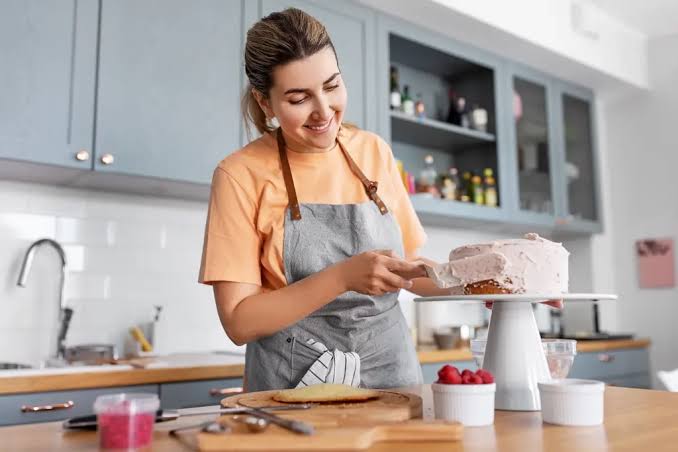
Why Messaging Is Half the Job
When someone buys bread from a grocery store, they expect nothing from the person who made it. When they buy from you, the expectation shifts completely. They want to know who baked it, when it was baked, and whether you can leave the walnuts out. That personal connection is the entire reason a cottage bakery works, so the messages are not a distraction from the product. They are part of the product.
It also means your communication standard is higher than a big bakery's, not lower. A customer will forgive a slightly over-baked crust. They will not forgive showing up for a pickup that you forgot about.
Step One: Get Every Message Into One Place
The single biggest source of chaos in a home baking business is scattered messages. Orders come in from everywhere, and each channel feels urgent in a different way.
- Instagram and Facebook DMs
- Text messages, including group texts where an order is buried in small talk
- Email, sometimes to an address you check and sometimes to one you don't
- Comments on a post, which are the easiest of all to lose
- In person, at a market table, usually while your hands are full
You have two realistic options. The first is to funnel everything into one channel manually, which means replying to every DM with something like "Happy to take that order, can you text me at this number so I don't lose it?" It's clunky, but it works. The second is to use a platform that collects the channels for you. Homebaked, for example, pulls DMs, texts, and emails into a single thread per customer, which means the allergy note someone sent on Instagram in March is still sitting there in October when they order again. Either way, the goal is the same: one place where an order exists, so nothing depends on your memory.
Whatever you choose, write down the order details somewhere outside the conversation too. A spreadsheet, a notebook, an order dashboard, anything. Conversations are for talking. A list is for baking from.
The Five Messages You'll Send Constantly
Almost all microbakery messaging is the same handful of notes repeated. Write each one once, save it somewhere you can copy from, then tweak the details each time so it still sounds like a person wrote it.
- **Order confirmation.** Sent immediately after someone orders. Restates everything so mistakes surface now and not at pickup.
- **Payment note.** How and when you'd like to be paid, stated plainly so nobody has to ask.
- **Ready-for-pickup message.** Sent the morning of, with the window and the address.
- **The "I'm full this week" reply.** Polite, warm, and pointed at the next available date.
- **The follow-up.** A short note a few days later, or when you open the next week's orders.
Writing a Confirmation That Prevents Questions
A good confirmation message answers every question a customer might think to ask before they think to ask it. It takes thirty seconds to write and saves you four back-and-forth messages later.
- 1Thank them and confirm you've got the order written down.
- 2Restate the items and quantities exactly, including any substitutions or allergy notes.
- 3State the total, and the payment method you prefer.
- 4Give the date and a pickup or delivery window, not just a single time.
- 5Give the address or the meeting spot, even if they've been there before.
- 6Close with an easy opening for changes, something like "Let me know if any of that looks off."
Here's what that looks like in practice: "Thanks so much, you're on the list. That's two sourdough boules and one cinnamon swirl loaf, no nuts, $34 total. Venmo whenever is easiest. Pickup is Saturday between 9 and 11 at 14 Ash Street, side door. Let me know if any of that looks off."
Set Response Expectations So You Can Have a Life
You do not have to answer messages at midnight. You do have to tell people when you will answer them, because silence is what makes customers anxious, not delay. A line in your bio or on your storefront is usually enough.
- Pick your hours and say them out loud: "I answer messages in the evenings, usually within a day."
- Say when orders close for the week, so nobody is asking for a Saturday bake on Friday night.
- If you're mid-bake and can't give a real answer, send a holding reply: "Got it, I'll confirm tonight once I see how much dough I have left."
- Build in a buffer. Promising a reply within 24 hours and answering in six makes you look great. Promising an hour and taking three does the opposite.
Handling the Uncomfortable Conversations
Every home bakery runs into the same small set of hard messages. Having a default approach for each one means you're not drafting a difficult reply from scratch while you're tired and annoyed.
**When you're fully booked.** Don't apologize three times. Say no warmly and immediately point at the next opening: "I'm fully booked this weekend, but I'm taking orders for the 14th starting Monday. Want me to let you know when that opens?" A fast no is more useful to a customer than a slow maybe.
**When someone doesn't show up.** Give it a grace window, then send one neutral message: "Hi! I've got your order set aside, just wanted to make sure the pickup window still works." Life happens. Decide your policy in advance (hold until end of day, then it's yours), state it in your confirmation message, and then you're not inventing rules under pressure.
**When someone asks for something you don't make.** Be honest instead of stretching. "I don't do tiered cakes, but I'd be happy to do three dozen cupcakes for that, or I can point you to someone local who does wedding tiers." Referring work away builds more trust than taking a job you'll dread.
**When someone pushes on price.** Don't negotiate in the message thread and don't justify at length. One calm sentence is plenty: "That price covers the flour, the time, and a two-day fermentation, so it's where I need it to be. I'd love to bake for you if it works out." People who were always going to buy will buy.
**When something goes wrong on your end.** Tell them before they tell you. An underproofed loaf, a late bake, a sold-out item. A quick "This batch didn't rise the way I wanted, so I'm not comfortable selling it to you. I can refund you or swap you to the focaccia, your call" earns an enormous amount of goodwill. Customers remember how you handled the problem far longer than they remember the problem.
Keeping Customers Without Pestering Them
Regulars are the entire economy of a micro bakery. Most home bakers don't need more new customers so much as they need the same thirty people ordering more often. The messaging that makes that happen is light and infrequent.
- Send one message when the next order window opens, not three reminders.
- Make it specific. "Pumpkin brioche is back this week" outperforms "orders are open" every time.
- Reference what they ordered last time. It takes five seconds and it's the whole reason people buy from a neighbor instead of a shelf.
- Use a note or a tag for the details that make someone feel known: the dairy allergy, the kid's birthday in April, the fact that they always want the end slice.
- Reward repeat orders rather than chasing new ones. Tools like Homebaked have loyalty and promo features built in, so a tenth-loaf-free offer tracks itself instead of living in your head.
- Ask for feedback occasionally, and actually read it. "How was the rye?" is a message people genuinely like receiving.
Common Mistakes to Avoid
- Taking an order verbally and never writing it down anywhere.
- Letting a thread end without a clear confirmation, so both of you assume the other will follow up.
- Using "whenever works for you" instead of a defined pickup window. It sounds generous and creates endless messages.
- Over-apologizing. It reads as unsure, and you're running a business, not asking a favor.
- Writing like a corporate brand. The voice that sells homemade bread is the one that sounds homemade.
- Discussing money vaguely. Say the number, say the method, say when.
- Never following up after a first order. That's the single cheapest way to turn a stranger into a regular.
None of this requires a customer service background. It requires being specific, being a little bit early, and being consistent enough that ordering from you feels easy. Do that for a few months and you'll find the messages get shorter, because your regulars already know how it works.