How to Get a Cottage Food License
The permit that lets you legally sell what you bake in your own kitchen, and how to actually get one.
If you've ever handed someone a plate of cookies and heard "you should sell these," the cottage food license is the piece of paperwork standing between that compliment and an actual business. Every state in the US has some version of a cottage food law, which allows home bakers to make and sell certain shelf-stable foods out of a home kitchen without renting commercial space or building out a licensed facility. The rules vary quite a bit from state to state, but the path to getting licensed is more predictable than most people expect, and in a lot of places it's cheaper and faster than starting a bank account. This guide walks through what the license covers, how to find your own state's requirements, and what the application process actually looks like.
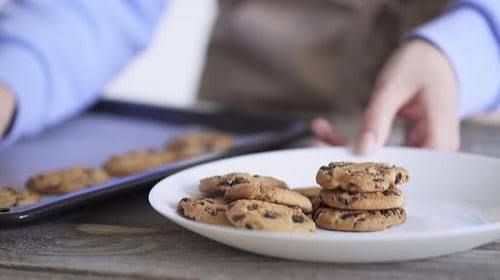
What a Cottage Food License Actually Is
A cottage food license (sometimes called a cottage food permit, home processor registration, or home bakery license depending on where you live) is a state or county authorization to produce specific low-risk foods in an unlicensed home kitchen and sell them directly to consumers. It exists because regulators drew a line between foods that can make people sick if mishandled and foods that are shelf stable enough to be low risk. Bread, cookies, and jams sit on the safe side of that line. Cheesecake and buttercream-filled éclairs generally don't.
The important thing to understand up front is that this is a state-level program, not a federal one. There's no single national application, and what your friend in another state did may not apply to you at all. Some states register you with the department of agriculture, some with the health department, and some push it down to your county. A handful require nothing more than a form and a food safety course.
What Cottage Food Laws Usually Allow
Approved product lists differ, but the logic behind them is consistent: if a food doesn't require refrigeration for safety, it's usually allowed. Most states permit some version of the following.
- Breads, rolls, bagels, and other yeast baked goods
- Cookies, brownies, and bar cookies
- Cakes, cupcakes, and quick breads without cream or custard fillings
- Pies with fruit fillings (not cream, custard, or meat)
- Jams, jellies, and preserves made with high-acid fruits
- Granola, trail mix, dry baking mixes, and dried herbs
- Candy, brittle, fudge, and chocolate confections
- Roasted coffee and dried tea blends
What They Usually Don't Allow
- Anything requiring refrigeration for safety, including cheesecake, tiramisu, and cream pies
- Cream cheese frosting and most custard or pastry cream fillings (a few states allow cream cheese frosting with conditions, so check yours)
- Fresh fruit-topped desserts, cut fruit, and fresh salsas
- Canned vegetables, pickles, and other low-acid canned goods
- Anything containing meat, seafood, or unpasteurized dairy
- Kombucha, fermented products, and most beverages
Treat those lists as a starting point rather than gospel. Your state's approved list is the only one that counts, and it's usually published as a plain PDF you can read in ten minutes.
Step One: Find Your State's Rules
Before you fill out anything, spend a little time figuring out which agency governs cottage food where you live and what they require. This is the step people skip, and it's the one that saves the most headaches later.
- 1Search for your state name plus "cottage food law" or "home processor" and look for a .gov result. Skip the blog roundups for now, since they go stale fast and the rules change often.
- 2Identify the governing agency. It's usually the department of agriculture, the department of health, or a county environmental health office.
- 3Download the approved foods list and confirm that what you want to sell is on it.
- 4Note the annual sales cap, if your state has one. Caps commonly range from around $20,000 to $50,000 a year, and some states have no cap at all.
- 5Note where you're allowed to sell. Direct-to-consumer is nearly always permitted. Wholesale, online sales, and shipping across state lines are more restricted.
- 6Check whether a food handler or food manager certification is required, and whether your kitchen needs an inspection.
- 7Call the agency if anything is unclear. These offices field this exact question constantly and are generally happy to answer it.
Step Two: Handle the Prerequisites
Most states want one or two things done before your application will be accepted. The most common is a food safety course, typically an online food handler certification that takes about two hours and costs somewhere in the neighborhood of $10 to $25. Some states require the more thorough food protection manager certification instead, which involves a proctored exam.
You may also need to register a business name if you're operating under anything other than your legal name, which usually means filing a DBA ("doing business as") with your county or state for a small fee. Some jurisdictions also ask for a local business license, a zoning clearance confirming that a home business is permitted at your address, or approval from a landlord or HOA. Well water usually requires a water test. If you have pets, expect a rule about keeping them out of the kitchen during production.
Step Three: Apply
The application itself is usually short. Once your prerequisites are in hand, this part often takes less than an hour.
- 1Download or open the application from your governing agency's site.
- 2Fill in your contact information, home kitchen address, and business name.
- 3List the specific products you intend to make. Be a little generous here so you aren't reapplying every time you add a flavor, but stay within the approved list.
- 4Attach your food safety certificate, your DBA filing, and any water test or zoning documents your state requests.
- 5Draft and attach a sample label if the application asks for one. Some states review labels as part of the approval.
- 6Pay the fee. Cottage food registration commonly runs from free to about $100 a year, depending on the state.
- 7Submit and note the expected processing time, which is often two to six weeks. Some states issue same-day online approval.
- 8Schedule your kitchen inspection if your state requires one. Most don't, but a few do, and it's a walkthrough rather than a white-glove ordeal.
Labeling: The Part Most People Underestimate
Nearly every cottage food law requires specific label language on anything you sell, and labeling violations are the most common reason a home baker gets a warning letter. The good news is that the requirements are formulaic, so once you build one compliant label template you can reuse it forever.
- The name of the product
- Your business name and the physical address where the food was made
- A full ingredient list in descending order by weight, including sub-ingredients (the chocolate chips need their own breakdown)
- Allergen declaration covering the major allergens: milk, eggs, wheat, soy, peanuts, tree nuts, fish, shellfish, and sesame
- Net weight or volume
- The cottage food disclaimer your state requires, word for word, often something close to "Made in a home kitchen that is not subject to state inspection"
- Your license or registration number, if your state issues one

Where You Can Sell Once You're Licensed
Almost all cottage food laws allow direct-to-consumer sales, which covers farmers markets, craft fairs, pop-ups, roadside stands, and pickup or delivery arranged directly with the customer. Where states differ is on indirect sales. Selling wholesale to a coffee shop or grocery store is prohibited in many states and allowed with restrictions in others. Online ordering is broadly permitted as long as the handoff happens in person, but shipping is a narrower category, and interstate shipping is off the table in most places.
There's more demand waiting on the other side of this paperwork than most new bakers assume. Roughly 65% of households say they'd rather get their bread and treats from a home baker than off a grocery shelf, which means the hard part usually isn't finding people who want what you make. It's getting the legal side squared away so you can say yes when they ask.
Common Mistakes to Avoid
- Starting sales before approval comes through. Even a few Instagram orders can complicate your application.
- Assuming a neighboring state's rules apply to you. Approved lists and sales caps vary widely.
- Forgetting sub-ingredients on labels. If a component has its own ingredients, they usually have to be listed.
- Ignoring local zoning. State approval doesn't override a city ordinance or HOA rule about home businesses.
- Letting the license lapse. Most registrations renew annually, and the reminder email is easy to miss.
- Skipping recordkeeping. Track sales from day one so you can prove you're under the cap and file taxes cleanly.
- Treating the sales cap as a ceiling on ambition. It's a threshold, and crossing it just means moving into a commercial kitchen or a different license class.
After Approval: Running the Thing
Once the license is in hand, the work shifts from paperwork to operations, and the administrative side is what surprises people. Orders come in through texts, DMs, and email all at once, payments need collecting, and sales tax has to be tracked and filed on a schedule even in months when you barely baked. This is the point where a lot of new cottage bakery owners cobble together four or five tools and still lose an order somewhere. Platforms built for this, like Homebaked, pull the storefront, messages, and payouts into one place and calculate and file your sales tax automatically, which takes the piece people dread most off the table right when the license makes everything else real.
Start small and let the operation grow into itself. Pick two or three products you can make consistently, price them properly, and get comfortable with your label template and your record keeping before you expand the menu. A microbakery that does four things beautifully is a much better business than one that does twenty things unevenly, and the license you just earned will still be there when you're ready to add more.